
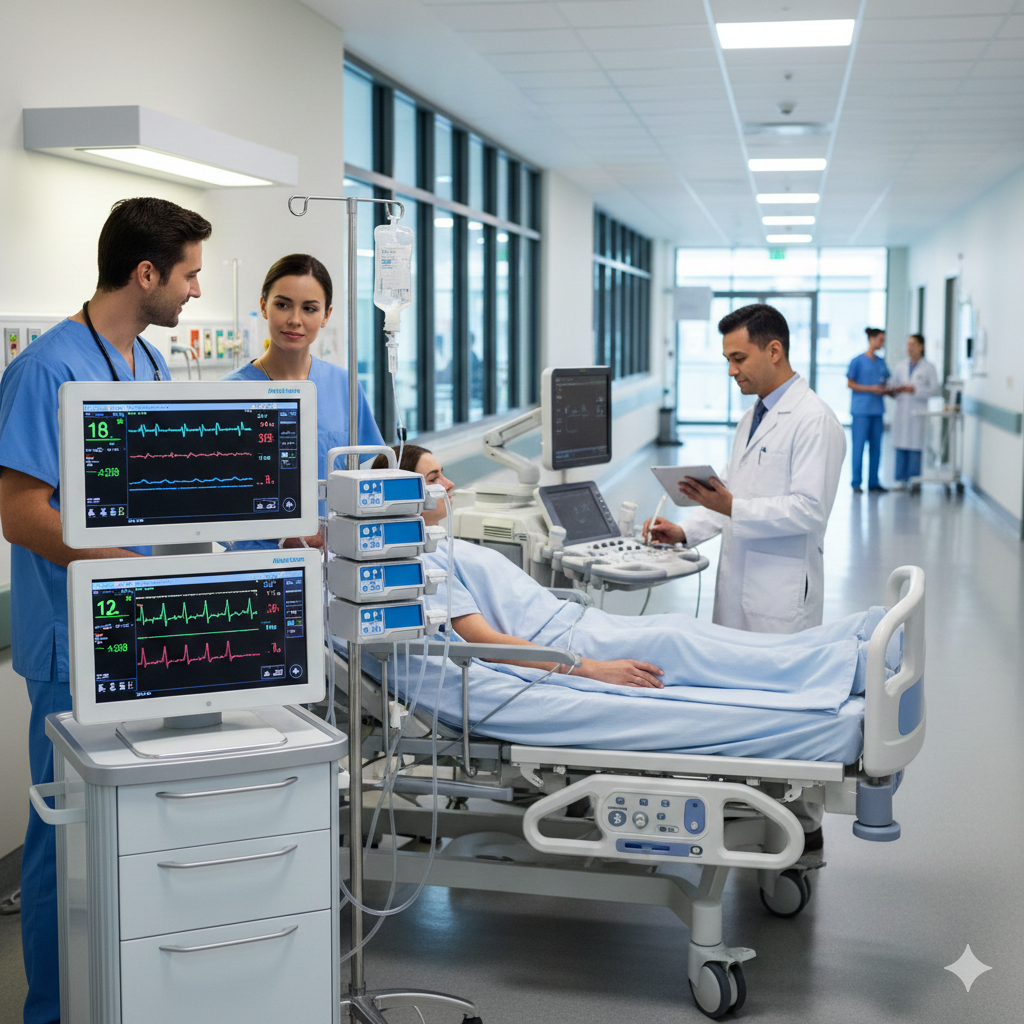
In modern hospitals, technology is deeply woven into the fabric of patient care. From diagnostic devices and monitoring systems to life-support equipment, the reliability of these technologies directly influences patient outcomes and overall safety.
A single malfunction or unexpected downtime can disrupt treatment protocols, compromise diagnostics, and increase clinical risk. Understanding the connection between equipment reliability and patient safety is essential for administrators, clinicians, and technology partners alike.
Why Reliability Matters in Clinical Workflows
Hospitals operate in environments where time is critical, and accuracy is non-negotiable. Reliable technology ensures clinicians can make decisions with confidence, particularly in high-pressure situations such as emergency care and surgical procedures.
When devices perform consistently, healthcare providers are freed from the uncertainty that arises from malfunctioning equipment. This not only protects patients but also supports staff efficiency and morale.
Equipment downtime can cascade into workflow bottlenecks, delayed diagnoses, and operational stress. Ensuring reliable technology minimizes these disruptions.

Impact on Patient Safety
Patient safety is at the center of hospital priorities. Medical equipment failures can lead to misdiagnoses, delayed treatments, and procedural errors.
Reliable technology reduces these risks by ensuring devices function as intended under varied conditions. This consistency directly supports better patient care and minimizes preventable incidents.
Hospitals that implement strict reliability standards for technology tend to report fewer clinical errors, improved patient satisfaction, and higher operational efficiency.

Strategies for Enhancing Equipment Reliability
Ensuring reliability begins with procurement. Hospitals should prioritize devices that meet international standards, have proven track records, and offer robust service support.
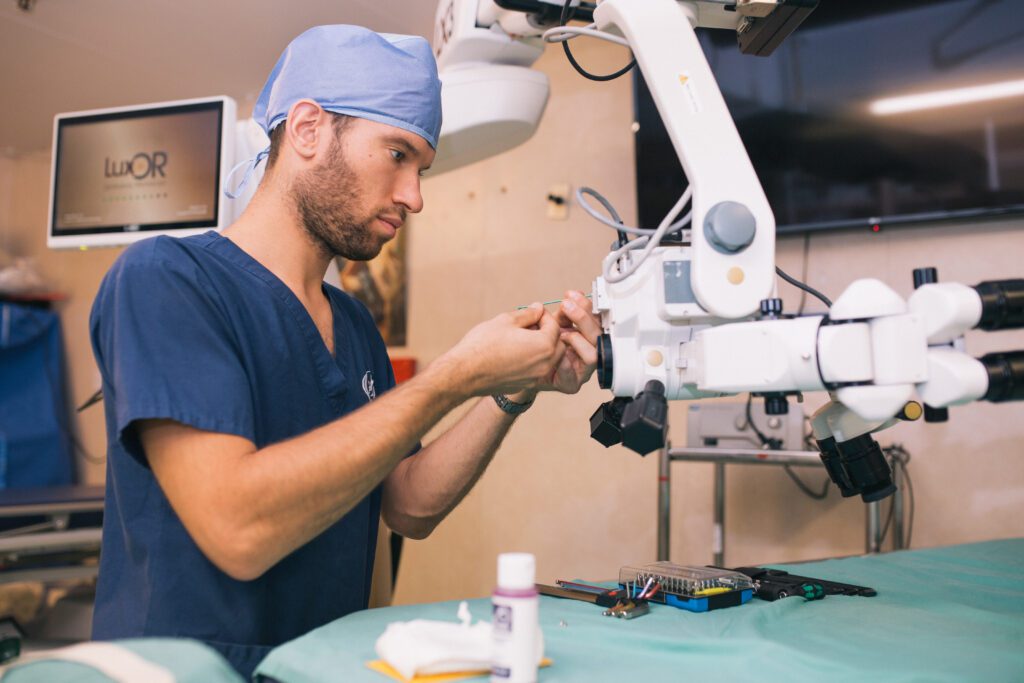
Regular maintenance, preventive inspections, and staff training are critical components of sustaining long-term reliability. Integrating real-time monitoring and diagnostic software can also preempt potential failures.
Collaboration with manufacturers and technology partners ensures that equipment not only functions effectively upon installation but continues to perform consistently over its lifecycle.
Long-Term Benefits
Investing in reliable technology yields long-term benefits for patients, staff, and hospital operations. Reduced downtime, fewer errors, and enhanced confidence in clinical decisions contribute to higher-quality healthcare delivery.
Reliable systems also facilitate compliance with regulatory standards, minimize liability risks, and improve institutional reputation. The upfront cost of reliable equipment is offset by reduced maintenance, downtime, and patient care risks.
Conclusion
Technology reliability is inseparable from patient safety. Hospitals that prioritize dependable medical equipment create environments where clinicians can operate confidently, and patients can receive care with minimal risk.
By integrating robust procurement, maintenance, and monitoring practices, hospitals ensure that technology becomes a consistent ally in providing safe, effective, and reliable care.
Leave a Reply