
Understanding Diagnostic Equipment in Modern Hospitals
Diagnostic equipment serves as the foundation of clinical decision-making in modern hospitals. Nearly every treatment pathway begins with diagnostic evaluation, making accuracy, reliability, and accessibility of these systems critical to patient outcomes.
As healthcare has evolved from symptom-based assessments to evidence-driven medicine, diagnostic technologies have expanded in both capability and complexity. Today’s hospitals rely on a broad spectrum of diagnostic tools to detect disease, monitor progression, and guide therapeutic interventions.
Understanding how diagnostic equipment functions within clinical environments provides essential insight into hospital efficiency, patient safety, and long-term care quality.
The Clinical Role of Diagnostic Systems
Diagnostic equipment enables clinicians to visualize internal structures, analyze biological samples, and quantify physiological processes that are not directly observable.
Imaging systems, laboratory analyzers, and physiological monitoring devices collectively inform diagnosis, risk stratification, and treatment planning. Without reliable diagnostics, clinical decisions become speculative and patient outcomes are compromised.
In modern hospitals, diagnostics are not isolated services but integral components of continuous care delivery across departments.

Categories of Diagnostic Equipment
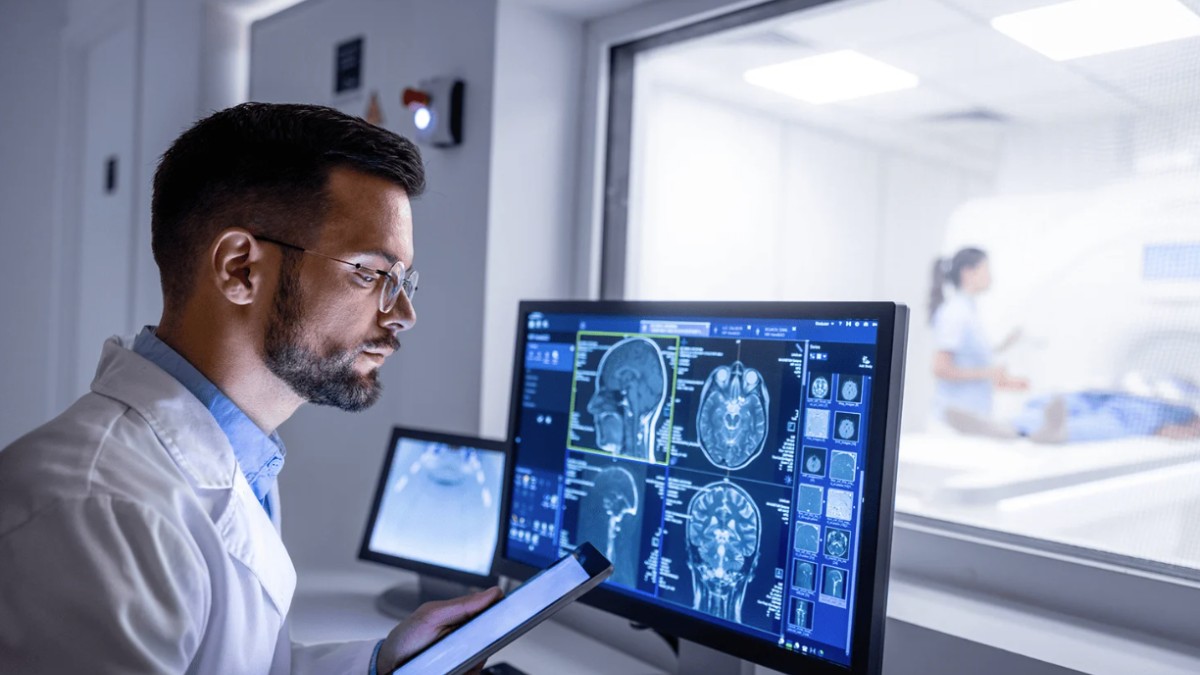
Diagnostic equipment in hospitals spans multiple categories, each serving distinct clinical purposes. Imaging modalities such as X-ray, CT, MRI, and ultrasound enable anatomical and functional visualization.
Laboratory diagnostic systems analyze blood, tissue, and other biological samples to detect infection, metabolic imbalance, and disease markers. Pathology platforms further support definitive diagnosis through histological analysis.
Point-of-care diagnostic devices complement centralized systems by providing rapid results at the bedside, supporting timely clinical interventions.
Accuracy, Reliability, and Patient Safety
Diagnostic accuracy directly influences patient safety. Inaccurate or delayed results can lead to misdiagnosis, inappropriate treatment, and preventable complications.
Modern diagnostic equipment is designed with precision engineering, automated calibration, and quality control mechanisms to maintain consistent performance.
However, equipment reliability also depends on proper maintenance, operator training, and adherence to regulatory standards throughout its operational life.

Integration Within Hospital Infrastructure
Diagnostic equipment does not operate in isolation. Integration with electronic health records, clinical information systems, and hospital networks ensures that diagnostic data is accessible across care teams.
Seamless integration reduces manual data transfer, minimizes transcription errors, and supports coordinated clinical workflows.
Hospitals with integrated diagnostic infrastructure experience improved efficiency, faster decision-making, and enhanced continuity of care.
The Impact of Digital Transformation
Digital technologies have transformed diagnostic equipment from standalone machines into intelligent data-generating systems. Advanced analytics and automation now support early detection and clinical trend analysis.
Artificial intelligence is increasingly assisting image interpretation and laboratory analysis, augmenting clinician expertise without replacing human judgment.
This shift reflects a broader transition toward data-driven healthcare, where diagnostics serve as a continuous source of actionable insight.

Conclusion
Diagnostic equipment is central to modern hospital operations and patient care delivery. Its evolution reflects the growing demand for accuracy, efficiency, and clinical insight.
By investing in reliable, integrated, and future-ready diagnostic systems, hospitals strengthen their ability to deliver safe, effective, and responsive healthcare in an increasingly complex clinical landscape.
Leave a Reply