
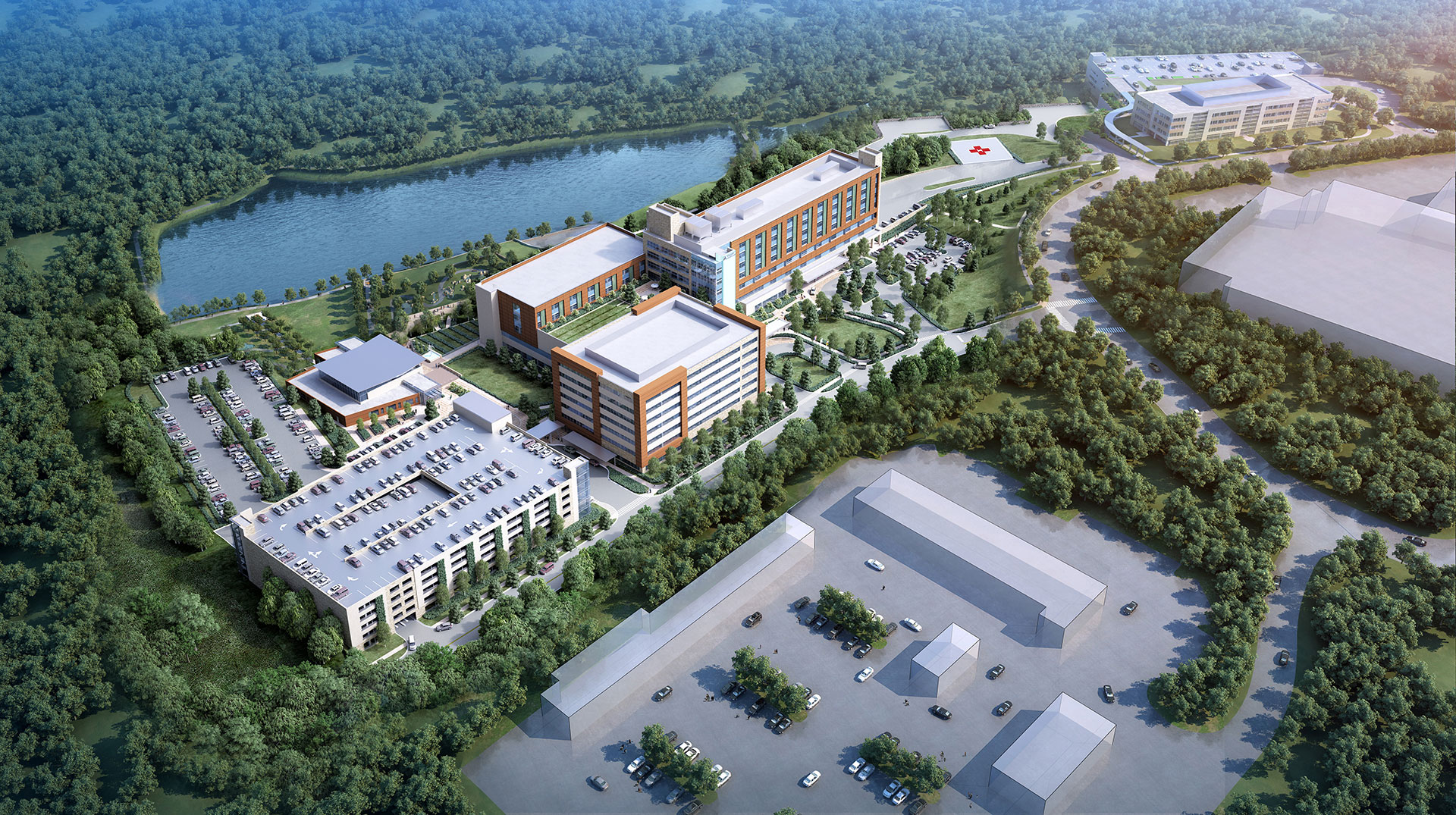
How Hospitals Can Future-Proof Their Medical Infrastructure
Healthcare infrastructure is no longer defined solely by buildings and physical assets. Modern hospitals operate as complex technological ecosystems where medical equipment, digital platforms, data networks, and clinical workflows are deeply interconnected.
As medical technology evolves at an accelerating pace, hospitals face the challenge of making infrastructure decisions that remain effective not only today, but over decades of clinical, regulatory, and technological change.
Future-proofing medical infrastructure requires a strategic mindset that prioritizes adaptability, resilience, and long-term clinical relevance over short-term efficiency.
Designing Infrastructure for Change, Not Stability
Traditional hospital infrastructure was often designed for stability, assuming predictable workflows and slow technological change. Today, this assumption no longer holds.
Advances in diagnostics, digital health, remote monitoring, and data analytics continually reshape how care is delivered. Infrastructure must support evolving equipment requirements, connectivity standards, and care models.
Flexible layouts, modular systems, and scalable technical frameworks allow hospitals to adapt without major structural overhauls.

Interoperability as a Core Infrastructure Principle
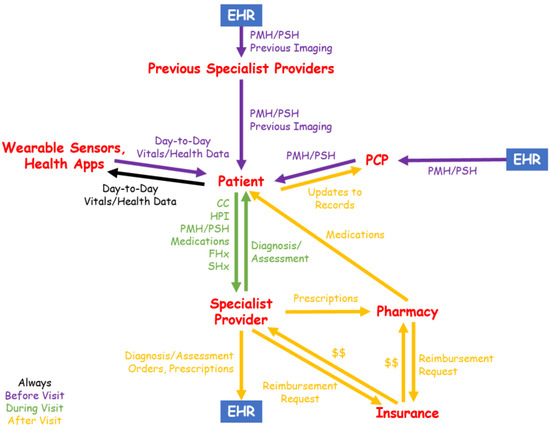
Future healthcare environments depend on seamless information exchange across devices, departments, and external systems. Infrastructure that supports interoperability enables consistent data flow and coordinated clinical decision-making.
Equipment, monitoring systems, laboratory platforms, and electronic health records must operate within a shared digital ecosystem rather than isolated silos.
Investing in open standards and interoperable architectures protects hospitals from vendor lock-in and supports long-term innovation.
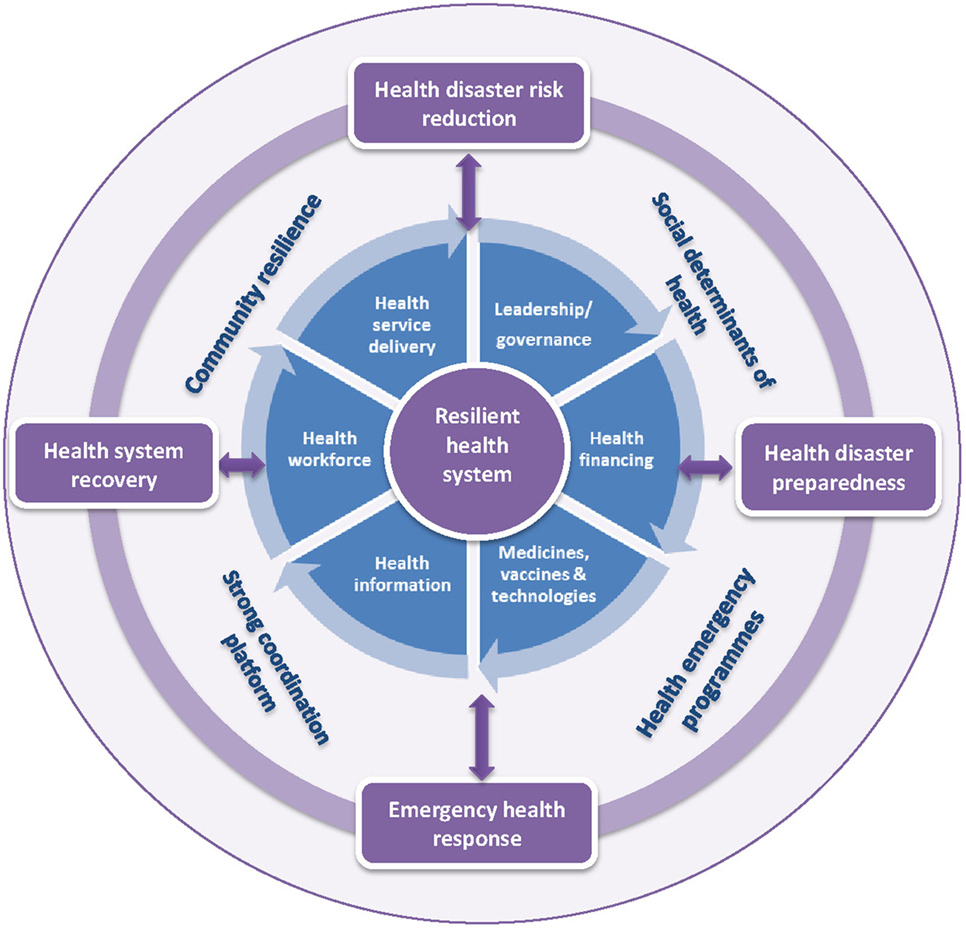
Resilience and Continuity of Care
Healthcare infrastructure must perform reliably under both routine operations and extraordinary circumstances. Power disruptions, system failures, and sudden surges in patient volume test the limits of hospital resilience.
Redundant systems, backup power, and robust network architecture are essential components of future-proof infrastructure.
Resilience planning ensures continuity of care, safeguarding patient safety even under adverse conditions.
Supporting Data-Driven and Digital Care Models
The future of healthcare increasingly relies on data-driven insights. Predictive analytics, artificial intelligence, and remote care models depend on robust digital infrastructure.
Hospitals must ensure that infrastructure supports high-volume data generation, secure storage, and real-time accessibility.
Digital readiness transforms infrastructure from a passive support system into an active contributor to clinical excellence.
Aligning Infrastructure with Workforce Needs
Healthcare professionals operate under intense pressure. Infrastructure design should reduce complexity, support efficient workflows, and enhance situational awareness.
Thoughtfully planned infrastructure minimizes unnecessary movement, simplifies equipment access, and improves collaboration across care teams.
By aligning infrastructure with human factors, hospitals create safer and more sustainable working environments.
Strategic Investment and Long-Term Vision
Future-proofing is not a one-time project but an ongoing strategic commitment. Infrastructure investments must be guided by long-term clinical goals rather than immediate operational pressures.
Hospitals that adopt a proactive, systems-level approach are better positioned to integrate new technologies while maintaining operational stability.
Long-term vision transforms infrastructure from a cost center into a foundation for sustained healthcare excellence.
Conclusion
Future-proof medical infrastructure enables hospitals to evolve alongside advancing healthcare technology while maintaining safety, efficiency, and trust.
By prioritizing flexibility, interoperability, resilience, and workforce alignment, healthcare organizations can build environments capable of supporting both current demands and future innovation.
Leave a Reply