
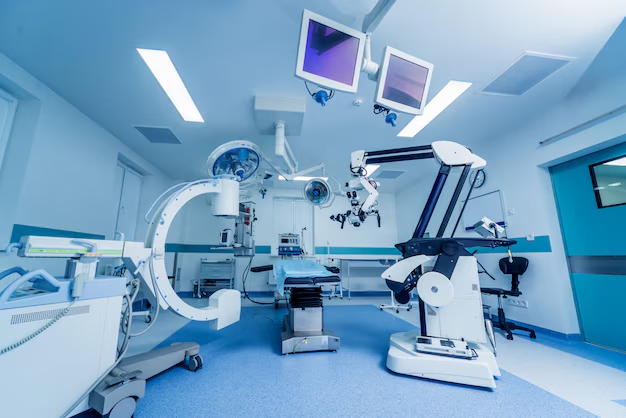
Unlike consumer technologies, medical systems operate in environments where failure can carry serious clinical, operational, and regulatory consequences. This article explores why reliability matters, how it influences patient care, and the role it plays in building resilient healthcare infrastructure.
Medical Equipment as Clinical Infrastructure
Medical equipment functions as core infrastructure within healthcare facilities. Diagnostic devices, monitoring systems, and life-support technologies enable clinicians to make informed decisions under time-sensitive conditions.
When equipment performs consistently, clinicians can focus on patient care rather than system limitations. Reliability ensures continuity of care, minimizes clinical uncertainty, and supports standardized treatment protocols.
As healthcare environments become more technologically complex, the role of reliable equipment expands beyond individual devices to interconnected systems.

Reliability and Patient Safety
Patient safety is directly influenced by the performance of medical technology. Equipment malfunctions, calibration errors, or system downtime can compromise diagnostic accuracy and treatment delivery.
Reliable equipment reduces the risk of clinical errors by ensuring consistent performance under routine and high-pressure conditions. This reliability supports safer clinical workflows and predictable outcomes.
Healthcare institutions increasingly prioritize systems that demonstrate long-term stability, validated performance, and compliance with safety standards.
Regulatory Compliance and System Performance
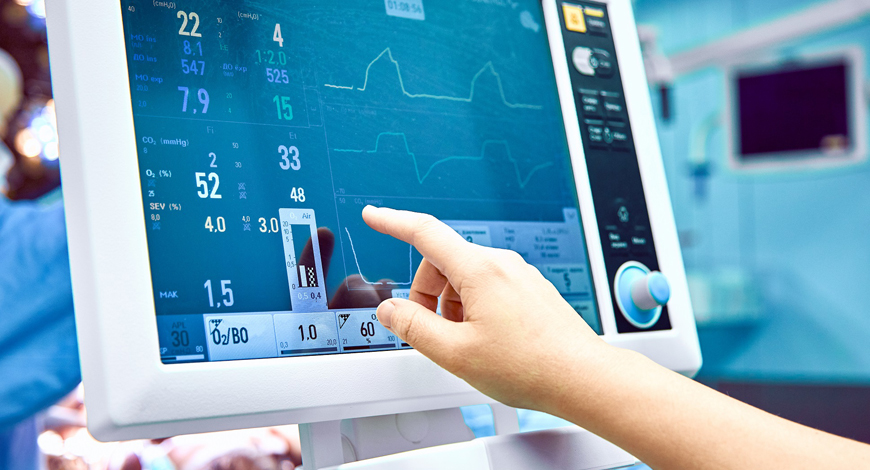
Medical equipment must operate within strict regulatory frameworks designed to protect patients and healthcare providers. Compliance requirements govern equipment design, testing, installation, and ongoing operation.
Reliability and compliance are closely linked. Systems that perform consistently are easier to validate, audit, and maintain within regulatory standards.
Healthcare institutions benefit from working with technology partners who understand both engineering requirements and regulatory responsibilities.
Operational Efficiency in Healthcare Environments
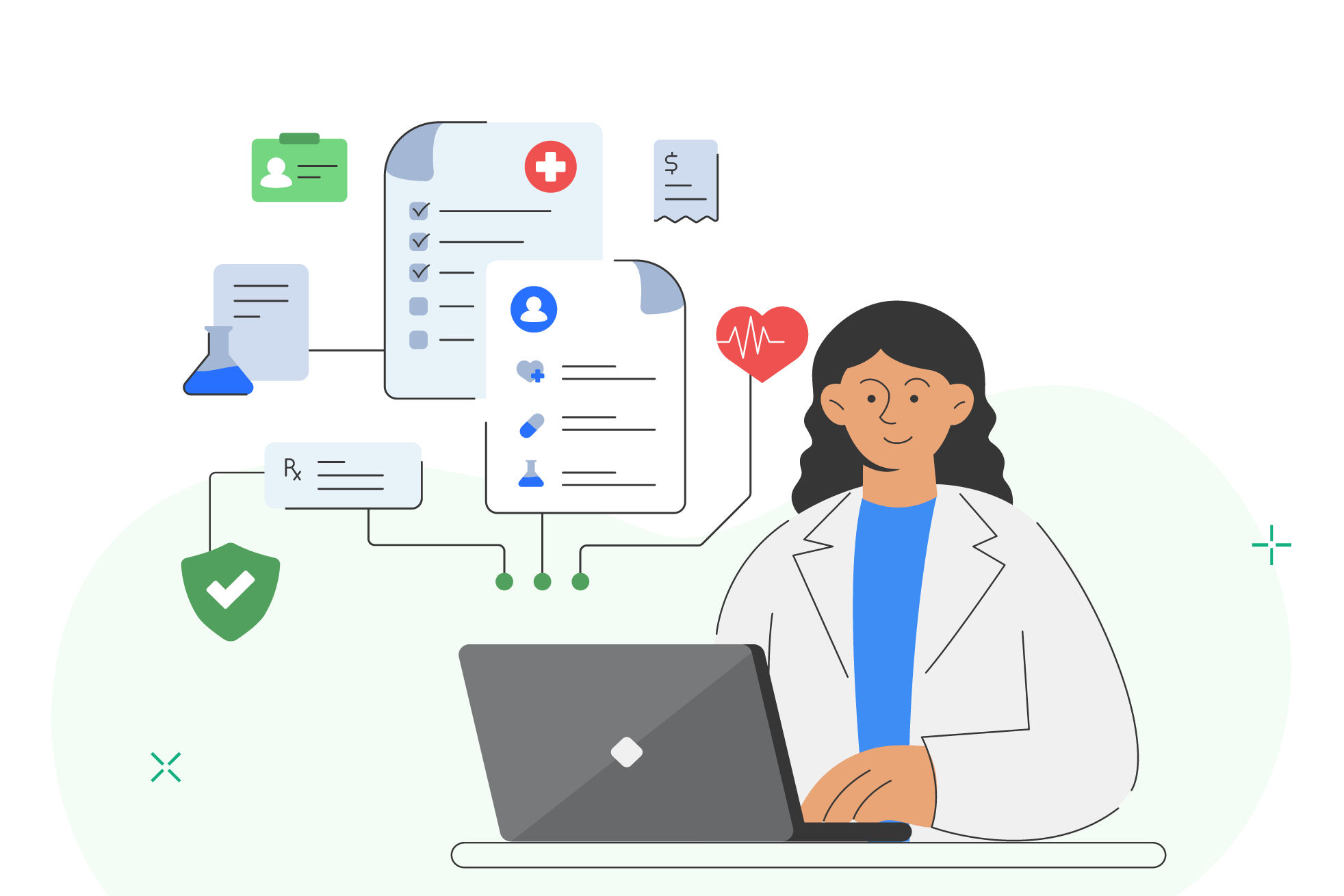
Reliable medical equipment supports operational efficiency by reducing unexpected downtime, maintenance interruptions, and workflow disruptions.
Hospitals and diagnostic centers operate on tightly coordinated schedules. Equipment failures can cascade into appointment delays, increased operational costs, and staff strain.
Investing in dependable systems enables healthcare facilities to maintain continuity, optimize resource utilization, and improve overall service delivery.
Future-Ready Healthcare Systems
As healthcare technology continues to evolve, future-ready systems must balance innovation with long-term reliability. Advanced features, connectivity, and data integration must be supported by stable engineering foundations.
Reliable medical equipment allows healthcare institutions to adopt new technologies without compromising safety or operational integrity.
Building resilient healthcare systems requires a long-term perspective focused on lifecycle performance rather than short-term capability.
Conclusion
Reliable medical equipment is not merely a technical requirement; it is a critical component of patient safety, regulatory compliance, and healthcare system resilience.
By prioritizing dependable technology, healthcare institutions strengthen clinical confidence, operational efficiency, and long-term care quality. Reliability remains central to the future of modern healthcare infrastructure.
Leave a Reply